Less Clutter, More Leads: A Practical Sustainability Kit for UK Trade Shows
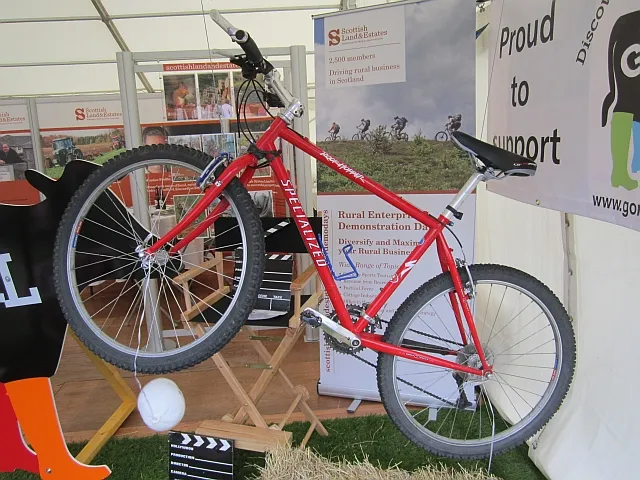
Photo: Richard Webb , CC BY-SA 2.0, via Wikimedia Commons
Trade shows remain one of the most effective ways for UK SMEs to meet buyers, test a proposition and watch competitors in the wild. They are also expensive, carbon-intensive and prone to generating a remarkable amount of waste in a very short time. The 2026 exhibition calendar has given many firms a fresh reminder that a successful show is not measured by how much material is left at the end of the final day.
The good news is that a greener exhibition plan usually costs less than the default approach. It requires decisions earlier, a tighter brief to stand contractors and a follow-up process that does not depend on a bag of printed brochures. This kit is designed for the next UK expo, whether the venue is the NEC in Birmingham, ExCeL in London or a regional conference centre.
1. Design the stand for a second show, not a single photo
Ask the stand contractor what will happen to the build after the event. Modular systems, reusable graphics, rented furniture and demountable walls are often more cost-effective across two or three shows than a single-use custom build. If a bespoke element is essential for brand impact, specify that it can be stored, re-skinned or returned to the contractor for reuse.
Venue rules vary, so check stand build regulations and waste arrangements before signing the contract. Ask for a take-back commitment in writing and confirm who is responsible for removing materials from the hall. A stand that is easy to dismantle is also easier to audit, which helps next year’s planning.
2. Replace the brochure pile with a digital handshake
Printed brochures are not inherently wrong, but they are often produced in quantities based on optimism rather than evidence. Use a QR code to a mobile-friendly landing page, a downloadable PDF and a short form that captures consent for follow-up. Keep a small number of printed copies for accessibility and for visitors who prefer paper, but do not order a box for every member of staff.
Digital lead capture should be tested before the show opens. Make sure the form works on a phone, that the data lands in the CRM and that the stand team knows what to do with a scan. The environmental gain is modest on its own; the commercial gain comes from faster, more relevant follow-up.
3. Treat samples as stock, not confetti
Samples are one of the biggest hidden costs at UK trade shows. Before ordering, decide which products are demonstration stock, which are giveaways and which can be returned. Reusable display samples should be packed in labelled cases with a returns plan. If a sample is given away, make it a deliberate choice tied to a qualified lead rather than a reflex.
Ask suppliers about take-back schemes and avoid over-ordering low-value items that cannot be returned. Where food or drink samples are involved, check venue rules and local food waste arrangements. A clear sample policy protects the budget and reduces the end-of-show scramble.
4. Write giveaway rules before ordering anything
A useful giveaway can start a conversation; a cheap plastic trinket often ends up in a hotel bin. Set a simple hierarchy: useful, durable, relevant and, where possible, recyclable or made from recycled content. Avoid items that carry a date or a campaign line that will be obsolete within months.
Tier the offer according to lead quality. A small notebook or a good-quality tote may be appropriate for general visitors, while a more substantial item can be reserved for qualified buyers. Ask suppliers for packaging data and consolidate deliveries to the stand. If the item cannot be justified commercially, it probably cannot be justified environmentally either.
5. Plan travel and freight like a procurement exercise
Travel is often the largest part of a trade show’s carbon footprint. Book rail where practical, consolidate freight, and avoid separate van movements for small quantities of stock. If staff are driving, check parking, congestion charges and electric vehicle charging at or near the venue. For overnight stays, choose accommodation near the venue or on a public transport route.
Freight deserves the same attention. Combine stand materials, samples and printed matter into as few consignments as possible. Confirm the venue’s courier arrangements and collection times so that equipment does not become abandoned waste at the loading bay.
6. Brief the stand team on the commercial case
The greenest stand in the hall will not work if the team treats sustainability as an afterthought. Include it in the pre-show briefing: how to capture leads digitally, what to say about samples and giveaways, and how to avoid making vague environmental claims. If the business has a verified green claim, make sure the evidence is available. If not, talk about specific actions rather than general virtue.
Give the team a simple end-of-day routine. Clear the stand, separate waste, secure reusable materials and note what is running low. Small habits prevent a costly and chaotic breakdown day.
7. Do a post-show waste audit
Before leaving the venue, photograph the waste area and note what is being discarded. Ask the venue or waste contractor for waste tonnage or collection data if it is available. Back at the office, weigh or estimate the main categories: stand materials, paper, samples, food and general waste. Compare the result with the show plan and record what could be avoided next time.
The audit does not need to be scientifically perfect. A simple table with category, estimated weight or volume, cost and owner is enough to change behaviour. Set one or two targets for the next exhibition, such as eliminating single-use stand graphics or reducing printed brochures by half.
8. Turn leads into lower-impact follow-up
Follow up quickly and digitally. Send the promised information, link to the relevant case study and ask a specific question. Avoid mailing a printed catalogue or a second giveaway unless the lead has asked for it. A cleaner follow-up process is better for the sales pipeline and keeps the sustainability story consistent after the event.
A trade show does not have to choose between commercial impact and environmental responsibility. The most effective approach is usually the leanest one: a reusable stand, a digital lead capture process, a disciplined sample policy and a follow-up plan that respects the buyer’s attention. That is a kit worth packing for every UK exhibition.