Where the Water Waits: A Car-Park Rain Garden Trial for UK SMEs
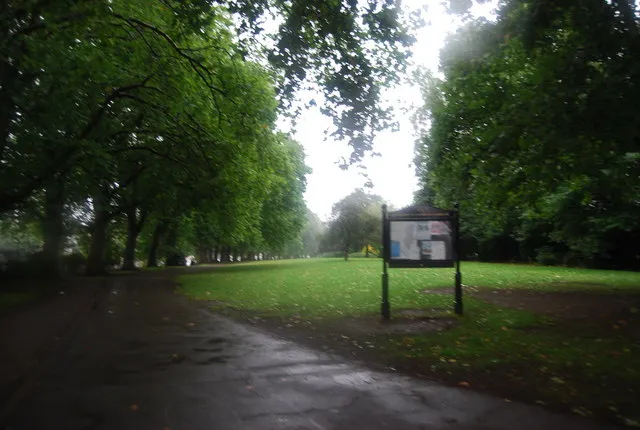
Photo: N Chadwick , CC BY-SA 2.0, via Wikimedia Commons
For many small UK employers, the car park is a forgotten piece of infrastructure. It is marked out, insured and occasionally swept, but rarely observed. Yet a corner that holds water after every shower is a useful signal. It shows where surface water wants to go, and it offers a low-cost place to test a rain garden: a shallow, planted depression that receives runoff, slows its passage to drains and creates a small habitat. The aim is not to redesign the whole site. It is to run a pilot that can be judged on evidence.
Start with a nuisance map, not a landscape plan
Before any planting, record what the car park already does. After a period of rain, walk the site and mark every standing-water patch on a simple plan. Note the date, the approximate depth and how long the water remains. Photograph each location from the same position, so that later comparisons are fair. This baseline is the most important part of the pilot. Without it, a new rain garden is merely a gesture; with it, the business has a before-and-after record that can support a decision to extend, adjust or stop.
The exercise should also note downpipes, gullies, kerb lines and the direction of fall. A wet corner may be fed by a roof downpipe, by water running across the tarmac, or by a blocked or undersized gully. Each cause points to a different intervention.
Choose one low point or one downpipe
A first pilot should be small and legible. There are two practical starting points. The first is a downpipe serving a modest roof, canopy or outbuilding. Roof water is relatively clean and predictable, which makes it easier to calculate and less likely to carry oil and grit. The second is a low point in the car park itself. This captures the problem directly, but car-park runoff can carry pollutants, so it needs a gravel strip, silt trap or shallow forebay before it reaches the planted area.
For a small UK site, a bed of roughly 10 to 20 square metres is often enough for a trial. It should be sited where it does not obstruct pedestrians, accessible bays, fire routes or visibility splays. Keep a safe, level edge and avoid creating a hidden trip hazard.
Estimate the catchment without a consultant
A rain garden does not need a full hydraulic model to begin, but it does need a sensible estimate. For a roof downpipe, measure the footprint of the roof area it serves. A 100 square metre roof in a typical UK location might receive around 80 cubic metres of rainfall in a year, though intense summer storms matter more for design than annual totals. For a car-park low point, estimate the contributing tarmac area by observing the slope and the extent of staining or dampness after rain.
As a conservative starting point, make the planted area about 5 to 10 per cent of the contributing impermeable area. A pilot serving 150 square metres of roof or tarmac might therefore use a bed of 10 to 15 square metres. The bed should be level, shallow and able to overflow safely to an existing drain or permeable ground. If the calculation feels uncertain, err on the smaller side and observe.
Test the soil before buying plants
Dig a test hole about 30 centimetres deep in the proposed bed and fill it with water. If the water has not drained appreciably after 24 to 48 hours, the soil is likely to be heavy clay or compacted. In that case, a simple depression may hold water for too long. Options include digging in grit and organic matter, raising the bed slightly above the surrounding ground, or choosing plants that tolerate prolonged wetness. A professional soil test is worthwhile if the pilot is likely to be extended.
Before digging, check for buried services. Use safe digging practices and the Linesearch BeforeUDig service where appropriate. Keep the bed away from fuel storage, transformer cabinets and any area where vehicle movement could damage the edge.
Design for overflow, not just infiltration
A rain garden is not a pond. The planted area should be a shallow depression, typically 100 to 150 millimetres below the surrounding level, with a flat base and gentle sides. Water should enter through a protected inlet, such as a gravel-filled channel or a short length of kerb gap, and leave through a controlled overflow. The overflow is essential: it protects the bed in heavy rain and prevents water from backing up towards buildings or parking bays.
In a car park, pretreatment matters. A gravel strip or silt trap can capture grit and hydrocarbons before they reach the soil. The bed should not receive runoff from vehicle washing, fuel spills or bin stores. If the car park drains to a surface water sewer, confirm with the sewerage undertaker that the arrangement is acceptable. Never connect a rain garden to the foul sewer.
Plant UK-native species that tolerate wet and dry
Planting should suit the UK climate and the alternation between wet winters and dry summers. Good native choices include meadowsweet, ragged robin, marsh marigold, purple loosestrife and soft rush. Sedges such as Carex nigra and Carex riparia are useful for the wetter centre, while dogwood and guelder rose can soften the edges. Yellow flag iris is native and robust, but it can spread vigorously, so use it with care.
Avoid invasive non-native plants and check guidance from the GB Non-native Species Secretariat. Use peat-free compost and a mulch that will not float away. Autumn 2026 and early spring 2027 are suitable planting windows, provided the soil is not waterlogged or frozen. Water the plants through their first dry spell, even in a rain garden.
Ask about permissions before the first spade
Even a small pilot can touch several consent regimes. Start with the landlord or freeholder; a lease may require written approval for alterations to the car park or drainage. Check with the local planning authority whether planning permission is needed. Many small works fall within permitted development, but car parks, drainage and changes near a highway can raise questions. If the site is near an adopted road, the highway authority may need to approve any works affecting the kerb or footway.
In England, lead local flood authorities provide advice on surface water management, and the SuDS Manual published by CIRIA is a useful reference for design principles. If the site is in a flood zone, near a watercourse or subject to a discharge consent, seek advice from the Environment Agency. Record all approvals and keep them with the pilot file. Insurance and health and safety should also be considered: standing water, uneven ground and maintenance access all need a sensible risk assessment.
Maintain lightly, monitor seriously
A rain garden is not maintenance-free, but it is usually manageable. In the first year, remove litter and silt from the inlet, check the overflow after heavy rain, and water newly planted areas during dry spells. Cut back dead growth in late winter, leaving some seed heads and stems for insects and birds. Replace failed plants and top up mulch as needed. Avoid pesticides and avoid compacting the bed by walking or driving over it.
Monitoring should use the same method as the baseline. Photograph the bed and the original puddle locations after comparable rainfall, note the date and time, and record how long water remains. A simple table of puddle presence, depth and duration is enough. After 12 months, compare the records. Fewer days of standing water, shorter duration and healthy plant survival are all signs that the pilot is working. Complaints from staff about splashing or blocked bays are also useful evidence.
Decide whether to extend
Use a short scorecard: reduction in standing water, plant survival, maintenance hours, cost, staff feedback and any effect on parking. If the pilot performs well, extend it to a second downpipe or low point rather than starting a larger scheme from scratch. If it does not, adjust the inlet, overflow or planting mix before concluding that rain gardens are unsuitable. The value of the pilot lies in the record it creates. A small, well-documented bed in an overlooked car-park corner can turn a recurring nuisance into a measurable piece of green infrastructure, and a credible example for the rest of the site.