A Year of Small Wins: Building a Workplace Green Team That Lasts

Photo: Rept0n1x, CC BY-SA 3.0, via Wikimedia Commons
Workplace sustainability often begins with enthusiasm and ends with one exhausted volunteer. A green team that depends on a single organiser is fragile: holidays, busy periods and staff turnover can stall momentum. A better model is a rolling calendar shared across a small group, with modest actions that fit around ordinary work.
Design for resilience, not heroics
Before planning activities, agree three principles. First, share the lead: appoint two co-ordinators and rotate meeting chairs. Second, keep the commitment light: a 30-minute monthly meeting and one small action per month is more sustainable than a quarterly burst of activity. Third, measure participation as well as environmental outcomes. A repair workshop with twelve colleagues and a waiting list is a success even if the carbon saving is hard to quantify.
Secure a senior sponsor who can unblock facilities, procurement or communications support. Give the team a small annual budget for posters, refreshments or venue hire, and agree how decisions will be made. The calendar below can start in any month; January is a natural reset, but a team formed in September should simply join at the relevant point and run forward.
January: reset and recruit
Use the quiet start of the year to review what worked, recruit new members and choose no more than three priorities. A short staff survey can reveal which issues colleagues care about, from heating complaints to recycling confusion. Publish a one-page plan and set monthly meeting dates for the year.
February: energy and comfort
Cold weather makes energy visible. Run a lunchtime walkaround with facilities to spot draughts, overheated rooms and equipment left on standby. Launch a switch-off reminder for desks, meeting rooms and kitchen appliances. Avoid blaming individuals; frame it as a shared check and report faults promptly.
March: supplier conversations
Spring is a good time to review recurring purchases. Ask office supplies, cleaning and catering suppliers about packaging, refill options and take-back schemes. A short set of questions added to an existing contract review is less burdensome than a new procurement project. Record responses so progress can be compared next year.
April: repair and reuse
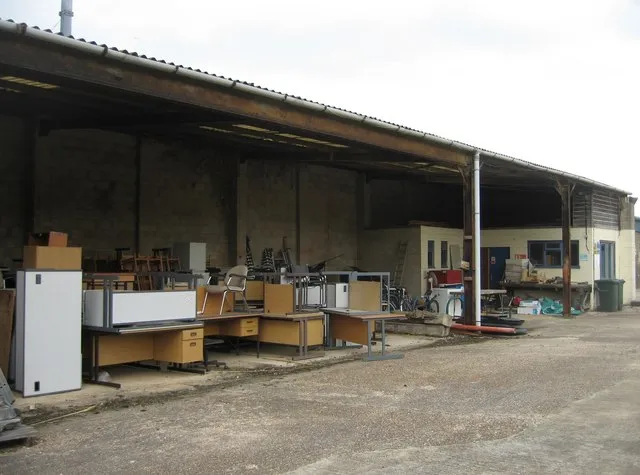
Partner with a local repair café or invite a colleague who can mend textiles, small appliances or bicycles to run a lunchtime surgery. Promote an internal reuse noticeboard for office furniture, stationery and IT accessories. If equipment is being replaced, check refurbished options and reputable take-back routes before buying new.
May: commuting and travel
Warmer weather makes active travel easier. Run a commute challenge that rewards walking, cycling, public transport and lift-sharing rather than focusing only on miles. Review whether meetings that default to travel could be hybrid. Keep the tone practical: not everyone can cycle, and accessibility should remain part of the conversation.
June: waste and recycling
Conduct a simple waste audit with facilities, checking contamination in general waste and recycling bins. Improve signage with pictures and plain English. If single-use cups or cutlery are still in use, trial a reusable alternative and ask colleagues what would make it work.
July: kitchen and food
Check fridge temperatures, food storage and portion planning for meetings. Encourage reusable containers and a shared surplus shelf for unopened food. If the office uses a caterer, ask about seasonal British produce and packaging. Keep messages light during holiday season and avoid scheduling extra meetings.
August: digital housekeeping
A remote-friendly month is ideal for digital decluttering. Encourage colleagues to clear duplicate files, unsubscribe from unnecessary newsletters and review cloud storage. The green team can also review the company website's image sizes and unused pages, linking workplace habits to customer-facing digital efficiency.
September: circular procurement
As autumn projects restart, focus on furniture and equipment. Before buying new, ask whether items can be repaired, reupholstered or sourced from a reputable reuse scheme. Include circular questions in supplier reviews and plan for end-of-life take-back. This is a natural moment to connect the green team with finance and operations.
October: prepare for winter
Before the clocks change, check heating schedules, draught-proofing and lighting controls. Confirm that colleagues know how to report faults. A short pre-winter checklist prevents the same cold-desk complaints recurring in December. Pair it with a reminder about dressing for variable temperatures rather than turning up the thermostat.
November: seasonal waste and giving
Party season can generate waste. Choose reusable decorations, avoid unnecessary merchandise and plan for leftover food. Organise a donation drive for warm clothing or unused toiletries through a verified local charity, with clear guidance on what can be accepted. Keep the activity voluntary and inclusive.
December: celebrate and hand over
Use the final meeting to thank participants, share simple results and rotate roles for the year ahead. A short survey can capture what to repeat and what to drop. Publish a brief note to the wider team, including one or two tangible outcomes and the plan for January.
Measure what matters
Keep a simple dashboard: number of participants, actions completed, supplier responses, waste weight or energy readings where available, and survey feedback. Avoid overstating carbon savings from small behaviour changes. The point is to show consistency, learn from what colleagues respond to and make the case for continuing support.
Keep momentum between months
Put the calendar in shared diaries, assign a buddy for each action and keep a one-page record of decisions. Celebrate small wins publicly and make it easy for people to opt out during busy periods. A green team that shares the load is more likely to last beyond its first enthusiastic year.