Rubbish In, Savings Out: Rebuilding a Small Firm’s Waste Contract

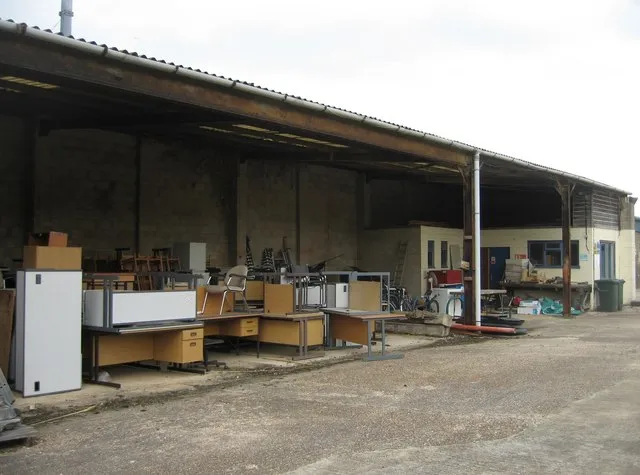
Photo: Francisclarke, CC BY-SA 4.0, via Wikimedia Commons
Waste contracts are often signed in a hurry and renewed by inertia. A small firm agrees a bin size, a collection frequency and a monthly charge, then files the paperwork. Years later, the business has changed, recycling rules have moved and the contract may no longer fit. For UK SMEs, the result can be a familiar combination: too much general waste capacity, contamination in recycling, missed savings and staff unsure which bin takes what.
A waste contract reset is not about chasing the lowest headline price. It is about matching service capacity to real need, meeting duty-of-care obligations and giving staff a simple system they can follow.
Start with what actually leaves the building
An effective reset begins with a waste walk, not a supplier call. Over one typical week, inspect each bin or container before collection. Record the stream — general waste, dry mixed recycling, food, glass, paper, cardboard, batteries, electricals — the approximate fill level and obvious contamination. Note where bins are located and who uses them. A simple form or spreadsheet is enough.
The goal is to see whether you are paying for capacity you do not need, or under-recycling because the right containers are missing. In England, Simpler Recycling has changed expectations for many workplaces, requiring separation of dry recyclables and food waste for most businesses above the micro-firm threshold. Similar rules and timelines differ in Scotland, Wales and Northern Ireland, so check current guidance for your nation and employee count. Compliance is part of the contract review, not a separate exercise.
Ask the supplier the questions that change the price
Before renewing, request a breakdown of the service: container sizes, lift frequency, included weight or volume, contamination charges and any rebates for recyclables. Ask where each stream goes and what data the supplier can provide.
Questions should include: Is billing based on weight or volume? What happens if a bin is half-full? Can frequency be reduced? What is the notice period? Are there separate charges for food waste or glass? What reporting is included? Can the supplier provide a waste transfer note trail and confirm that carriers are licensed? A supplier that cannot answer clearly is a risk.
Renegotiate from evidence, not anger
Use the waste walk and invoices to propose changes: right-size general waste containers, increase recycling capacity, reduce lifts where bins are consistently under-filled and add streams that staff actually use. Ask for a shorter contract or a break clause if volumes are uncertain.
Benchmark against two other quotes, but compare like with like. Collection frequency and included weight matter more than headline price. Do not accept a free bin if the rental is buried in the lift charge. Ask for a clear schedule of charges and a named contact for service issues.
Design a regime staff will use
Recycling fails when bins are confusing or inconvenient. Put recycling points close to where waste is generated, label them with pictures and plain English, and remove general waste bins where practical. Keep messages short: one page at induction, a short reminder in team meetings and a named person for queries.
Avoid a policing tone. Most staff want to do the right thing but need clarity. Review contamination monthly and give feedback rather than blame. If one team consistently mis-sorts waste, check whether the bin is in the right place before assuming the worst.
Track a small number of measures
Use invoice and collection data to track general waste lifts, recycling lifts, contamination incidents, cost per lift and recycling rate. A monthly ten-minute review is enough. If general waste is consistently under-filled, reduce frequency. If recycling contamination rises, fix signage or bin placement. If food waste is heavy, consider a separate collection or on-site treatment.
Keep the numbers visible to whoever manages the contract and to the team. A simple dashboard — even a single sheet — turns waste from an invisible overhead into a manageable operating cost.
The circular procurement angle
Waste is often a purchasing problem before it is a disposal problem. Ask suppliers to take back packaging, switch to reusable crates for local deliveries, repair or refurbish furniture and buy concentrated products to reduce container waste. These choices reduce the volume that reaches the bin and can strengthen the case in contract negotiations.
For most SMEs, a successful reset means a few focused changes, a clearer contract and a monthly review — not a full-time job. Start with the waste walk, ask better questions and let the evidence guide the next renewal.